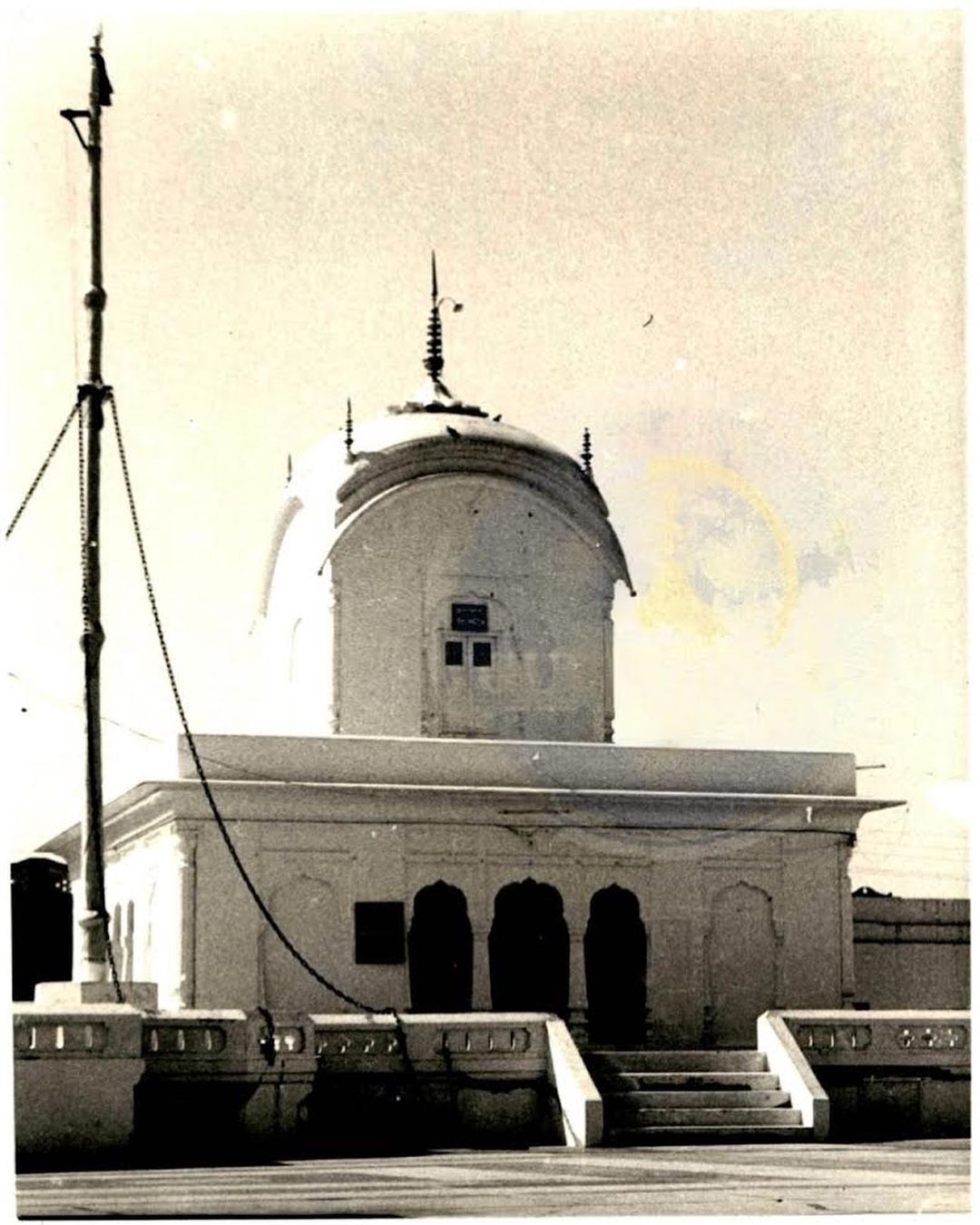
Our holy places
From the golden waters of Amritsar to a birthplace across a border most of us have never crossed, these are the thresholds every Punjabi carries in their chest. The five Panj Takht. The Golden Temple. Nankana Sahib. Every gurdwara built where our history turned forever. This is where we come from, and where we still bow.
Watch
A cinematic walk through Sri Harmandir Sahib in Amritsar, the holiest site in Sikhi.
Seats of temporal authority
Five thrones, five cities, one Panth. Every major decision for the Sikh community, historic and modern, has passed through one of these five seats.
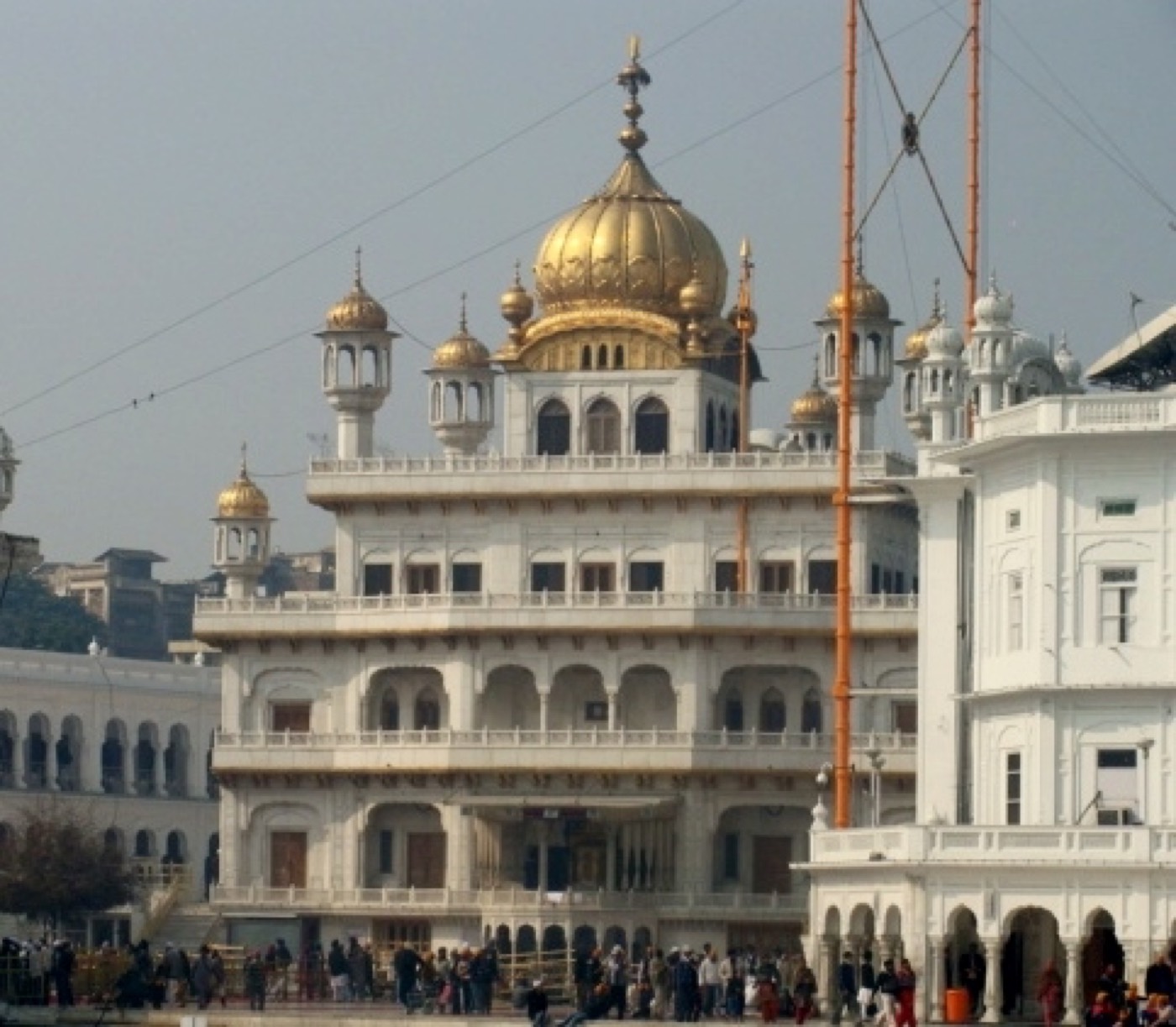
01
Supreme temporal authority of all Sikhs, founded by Guru Hargobind Ji in 1606, standing directly opposite Harmandir Sahib.
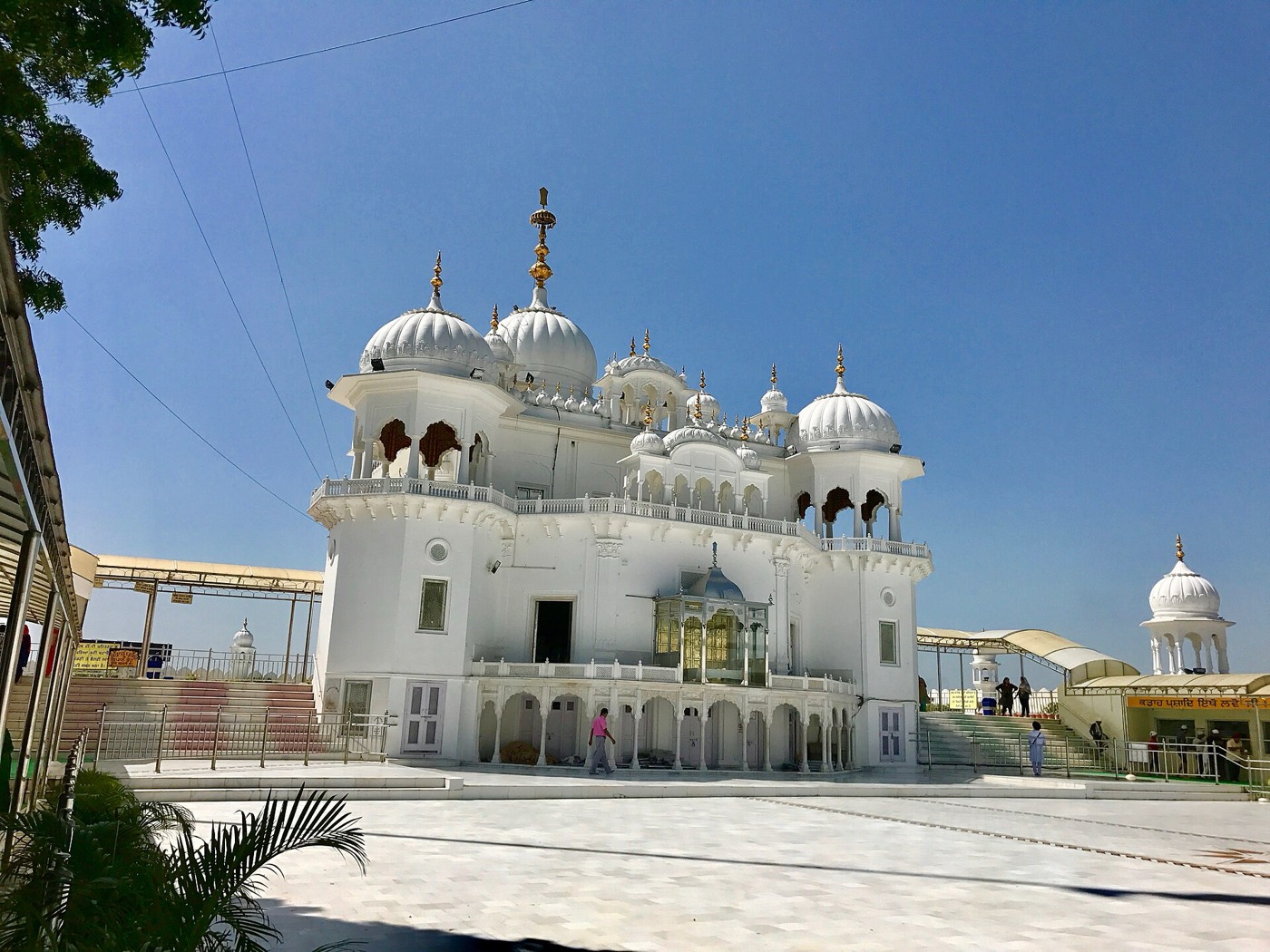
02
Where the Khalsa was founded on Baisakhi 1699, when Guru Gobind Singh Ji called for the first five beloved ones.
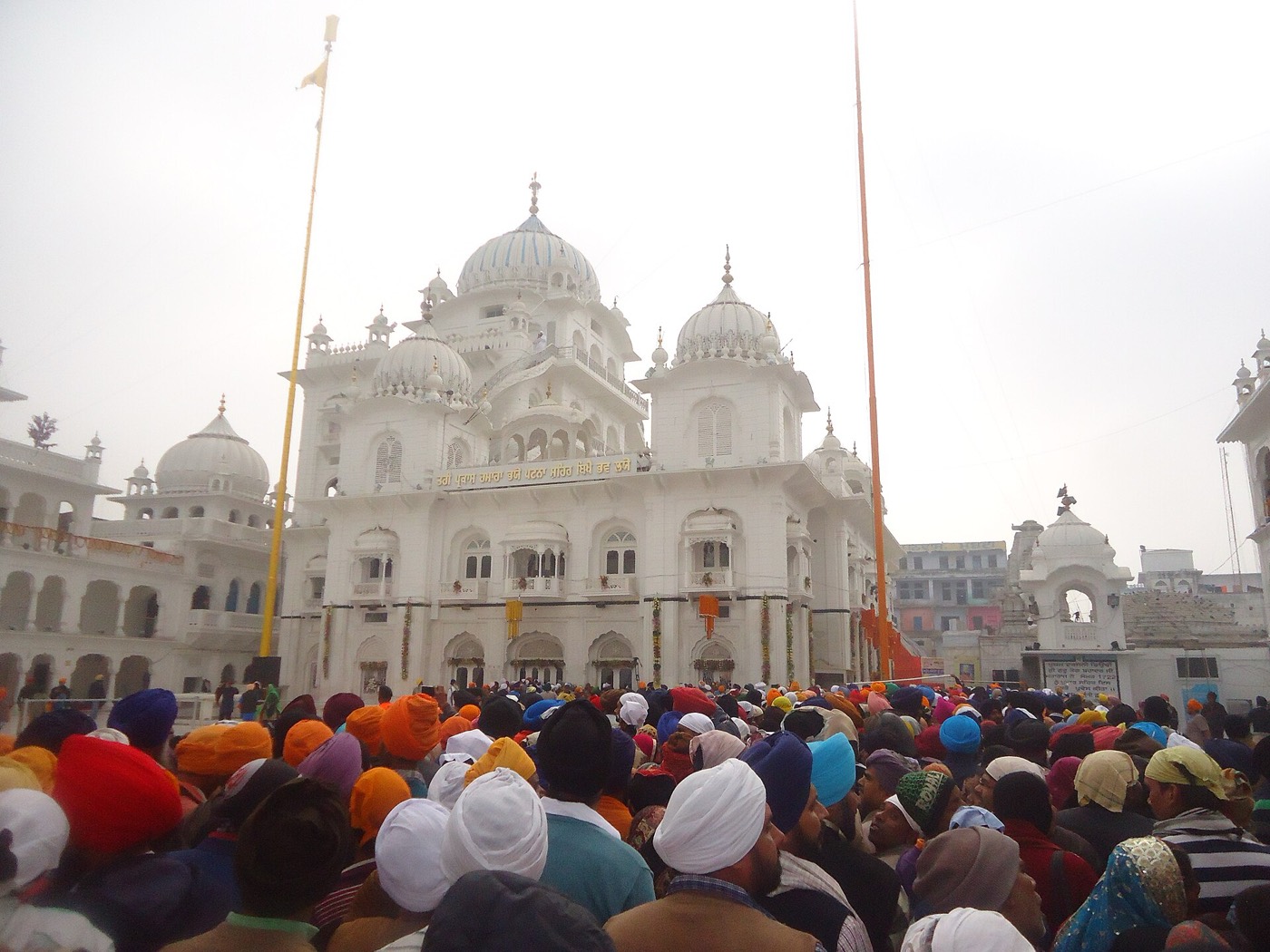
03
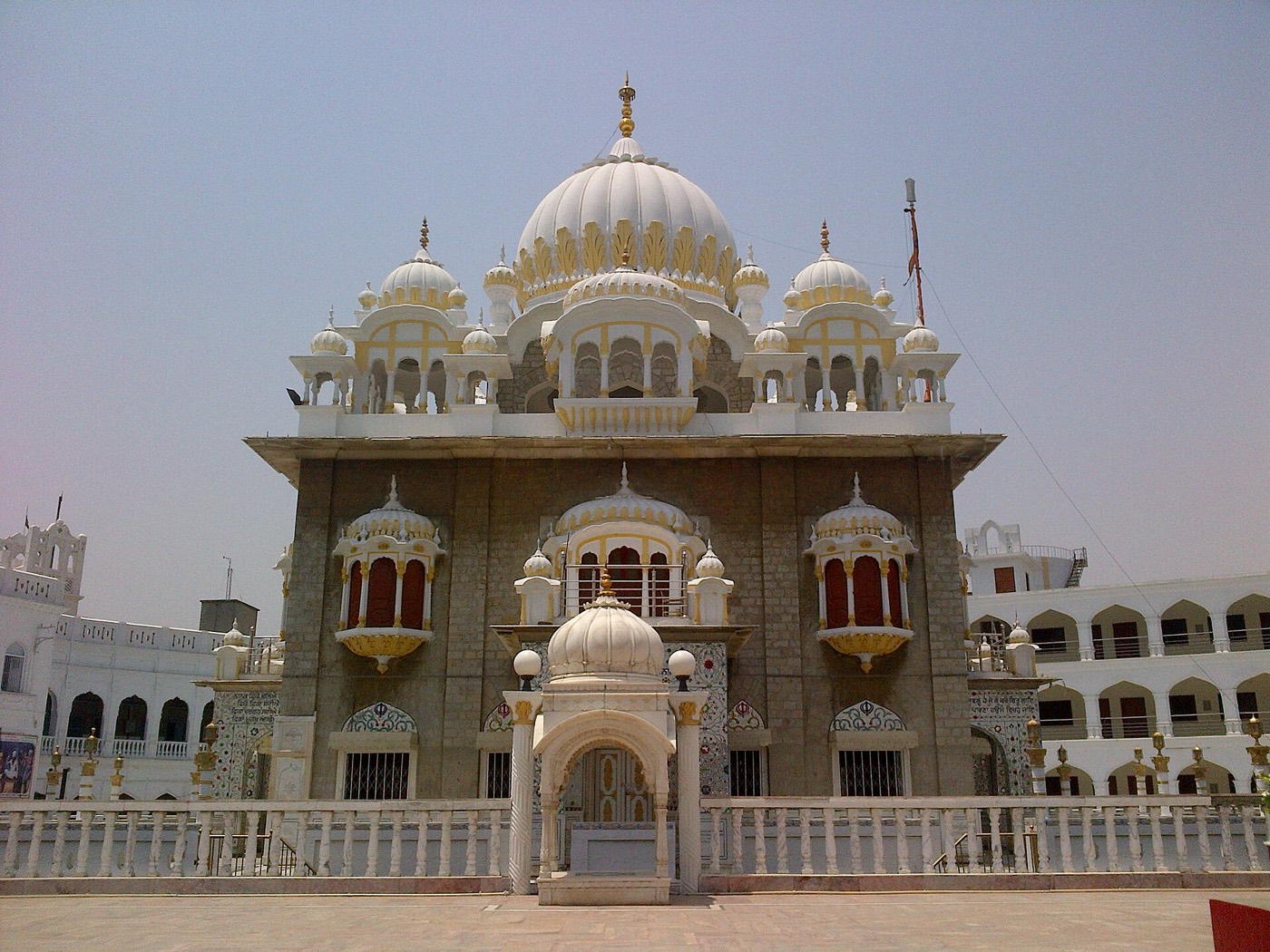
Birthplace of Guru Gobind Singh Ji, 1666, built on the site of the house where he spent his early childhood years.
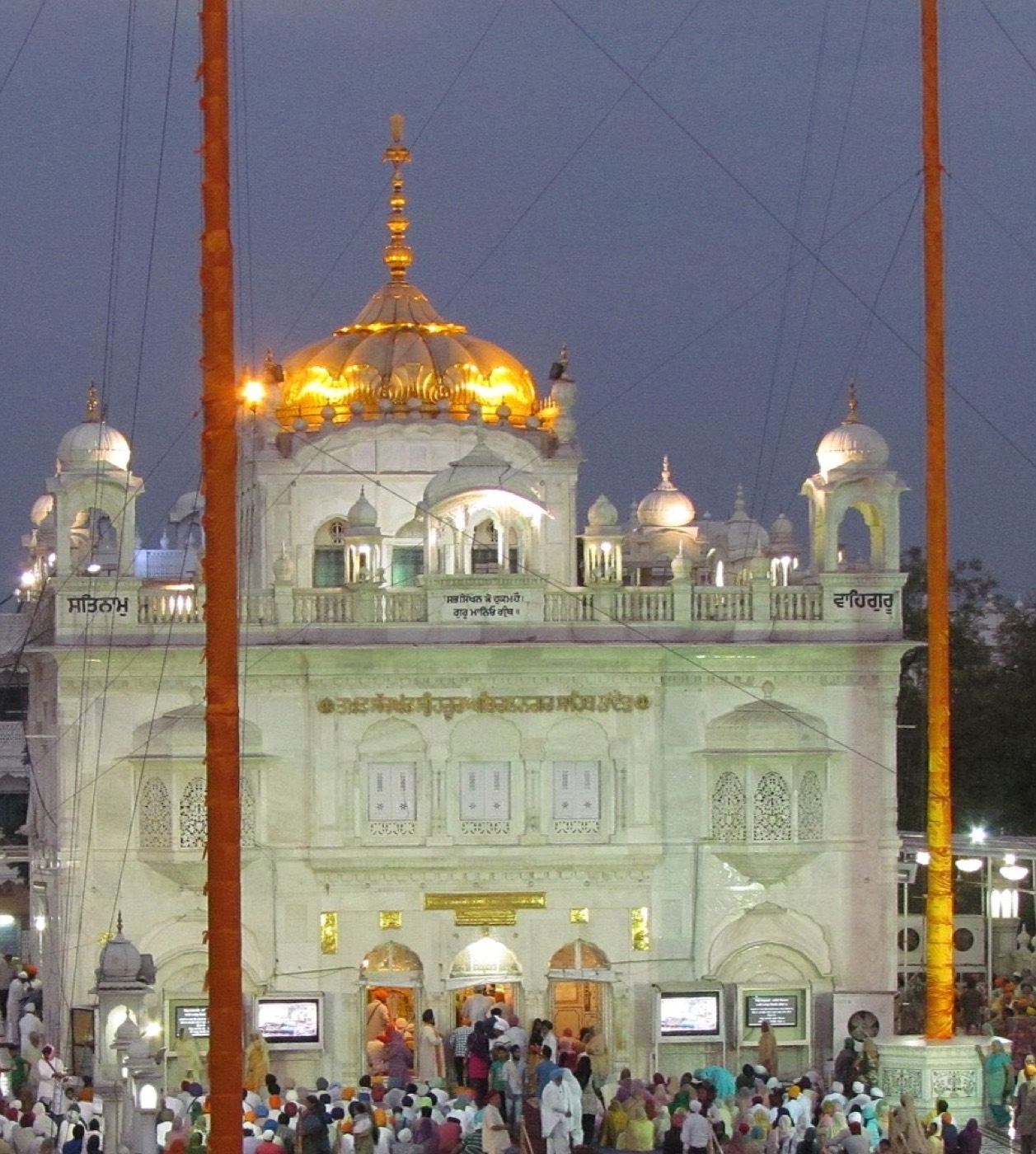
04
Final resting place of Guru Gobind Singh Ji, marking where he passed from this world in 1708.
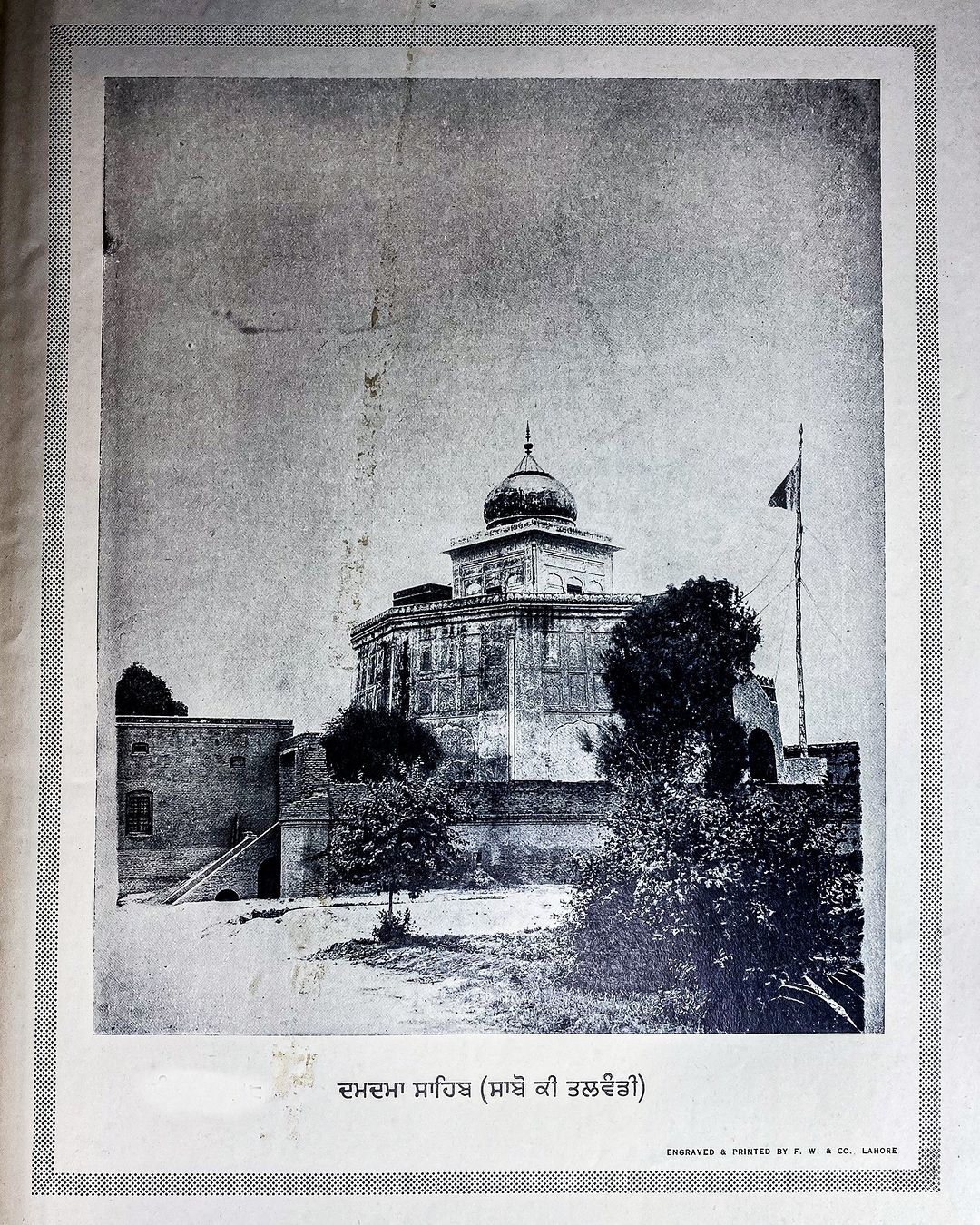
05
Where the final Guru Granth Sahib Ji was compiled, known as "Guru Ki Kashi," the seat of Sikh scholarship.
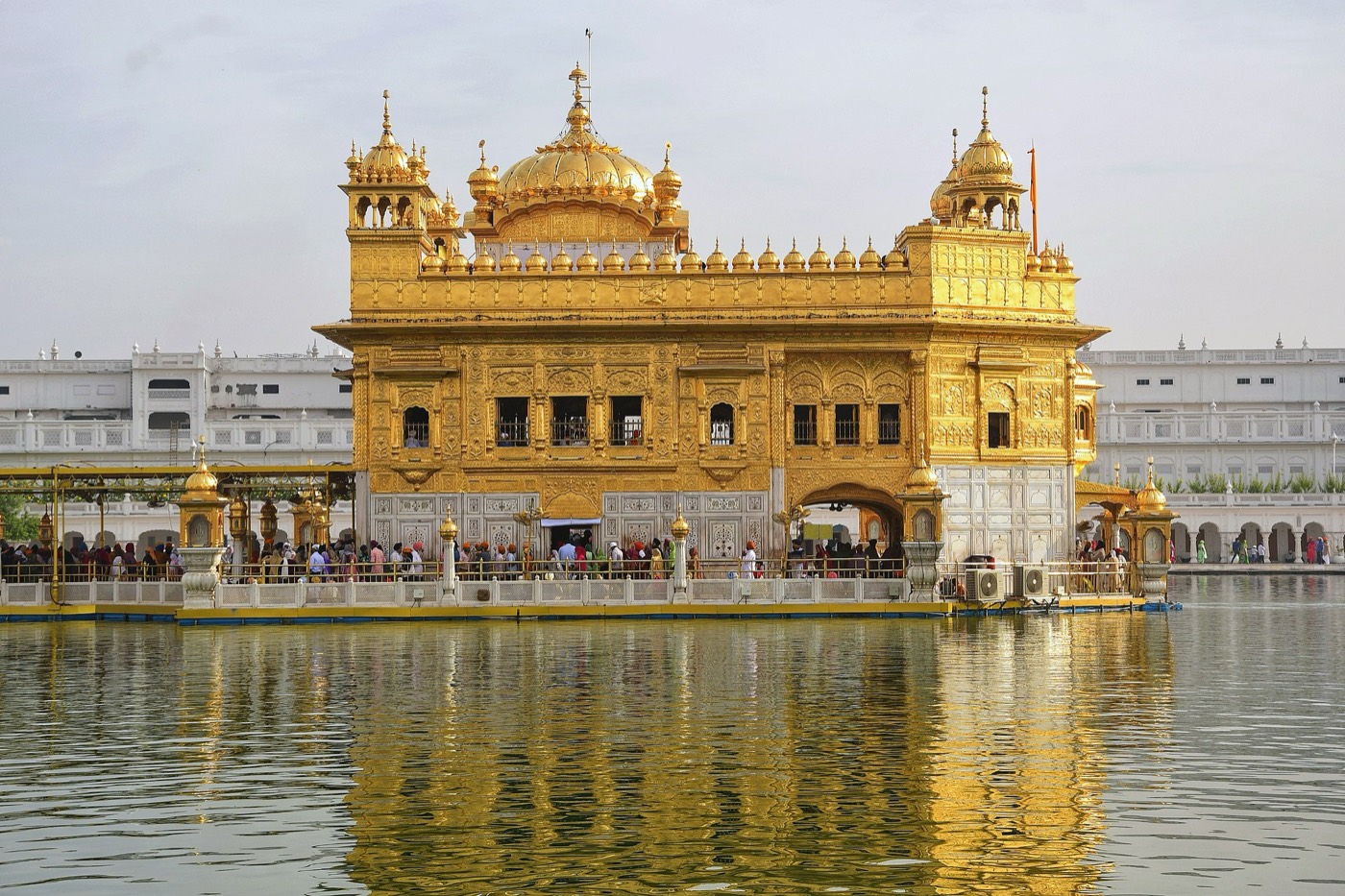
India
Home to the Golden Temple and eleven more thresholds that shaped Sikh history, from a Himalayan glacial lake to a walled garden where memory refuses to fade.
The holiest of all gurdwaras
Amritsar, Punjab, India
Built between 1581 and 1604 by Guru Arjan Dev Ji.
Four doors face all four directions, welcoming all of humanity regardless of faith, caste or background.
Feeds 100,000 people free every single day, the world's largest free community kitchen.
Its upper storeys are covered in real gold, donated by Maharaja Ranjit Singh in 1830.
Sits lower than street level, so that all who enter must bow to reach it.
Destroyed twice by Ahmed Shah Durrani, and rebuilt by the Sikh community both times.
The surrounding pool, Amrit Sarovar, the Pool of Nectar, gives Amritsar its name.

The supreme seat of Sikh temporal authority, facing Harmandir Sahib across the parkarma. Founded by Guru Hargobind Ji in 1606 as a place of justice and sovereignty.

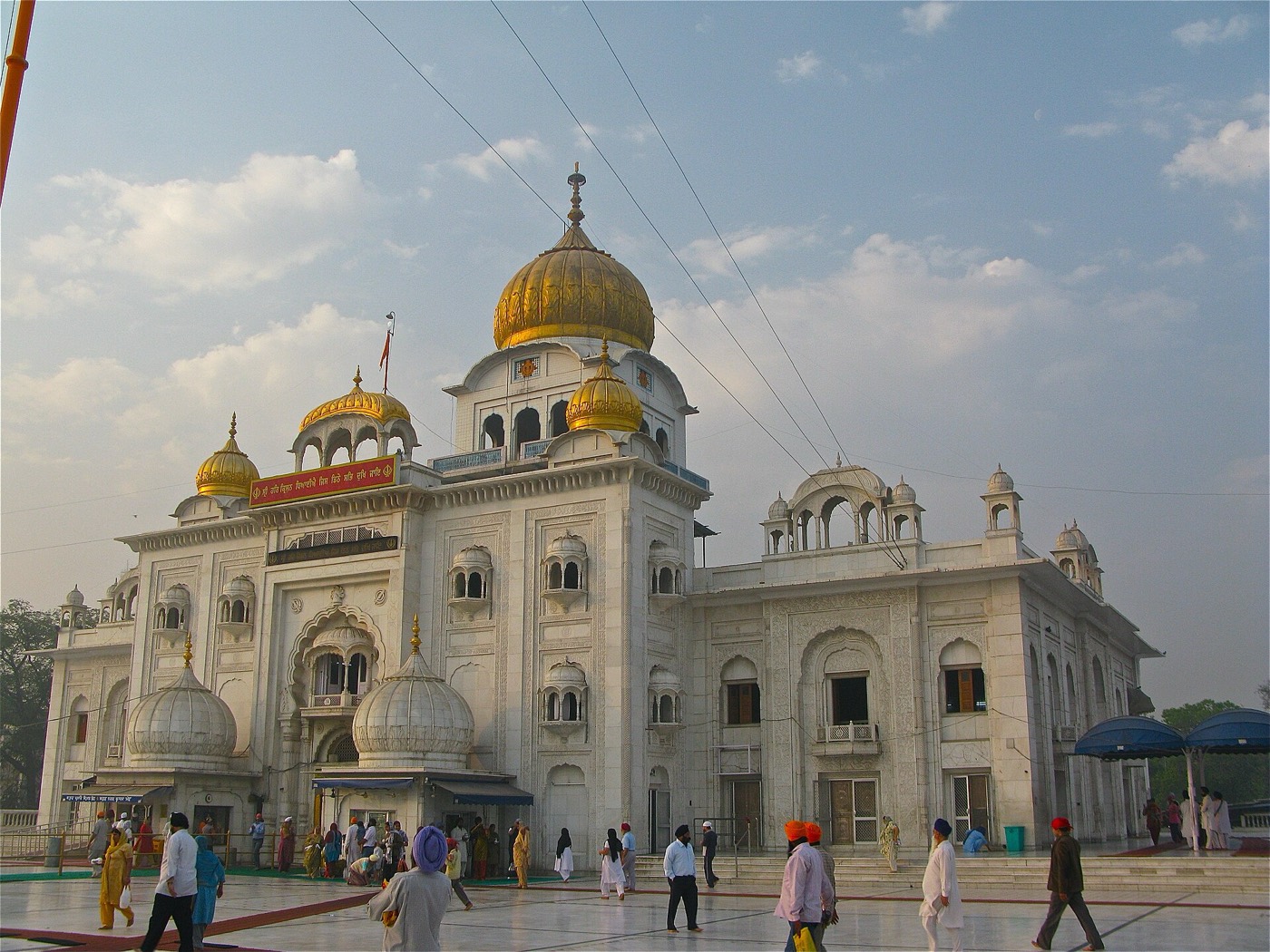
A former bungalow sanctified when Guru Har Krishan Ji stayed here in 1664, tending Delhi's sick during a smallpox and cholera epidemic.

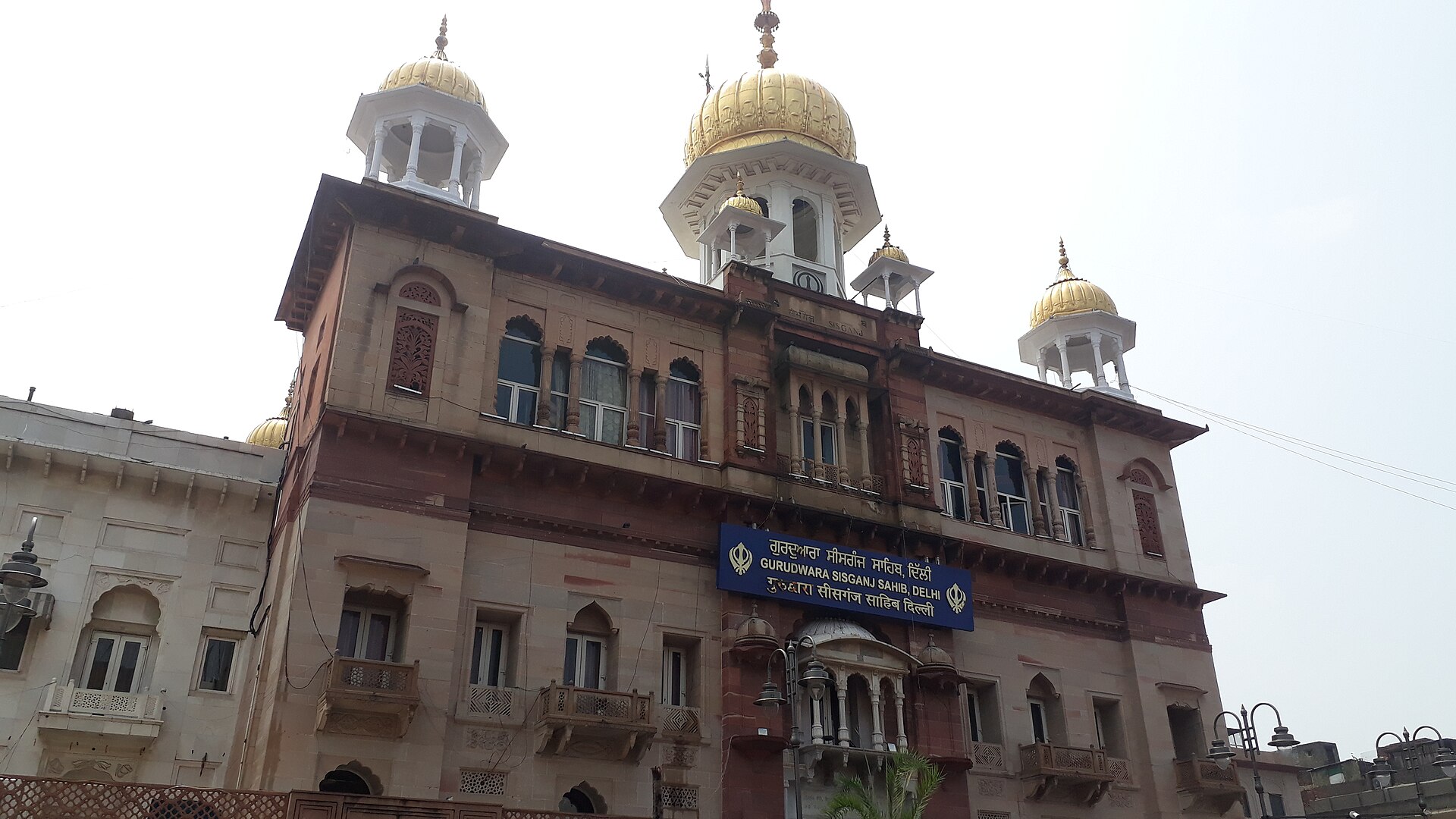
Marks the spot where Guru Tegh Bahadur Ji was martyred in 1675, defending the religious freedom of Kashmiri Pandits under Mughal persecution.

The "City of Bliss," founded by Guru Tegh Bahadur Ji in 1665. Here, Guru Gobind Singh Ji founded the Khalsa on Baisakhi 1699.

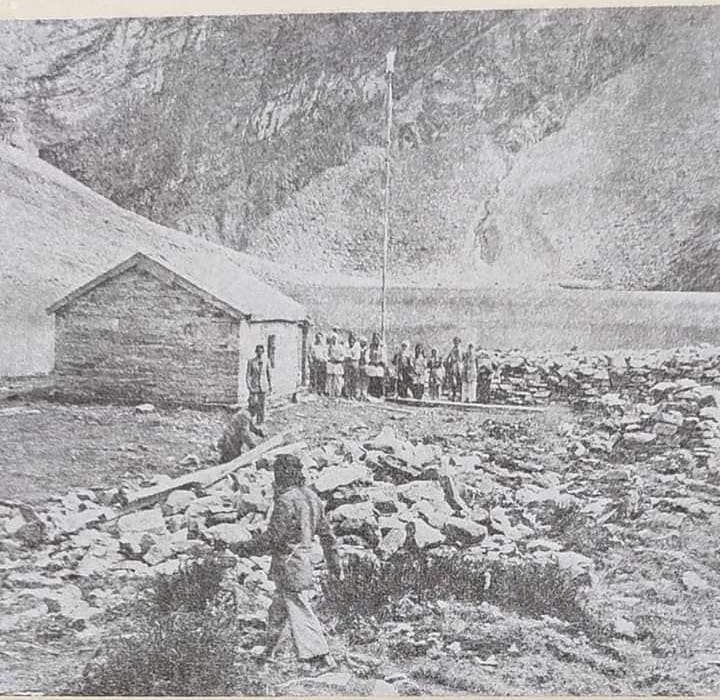
A glacial lake gurdwara high in the Himalayas at 4,633 metres, open only a few months each year. Tradition holds Guru Gobind Singh Ji meditated here in a former life.

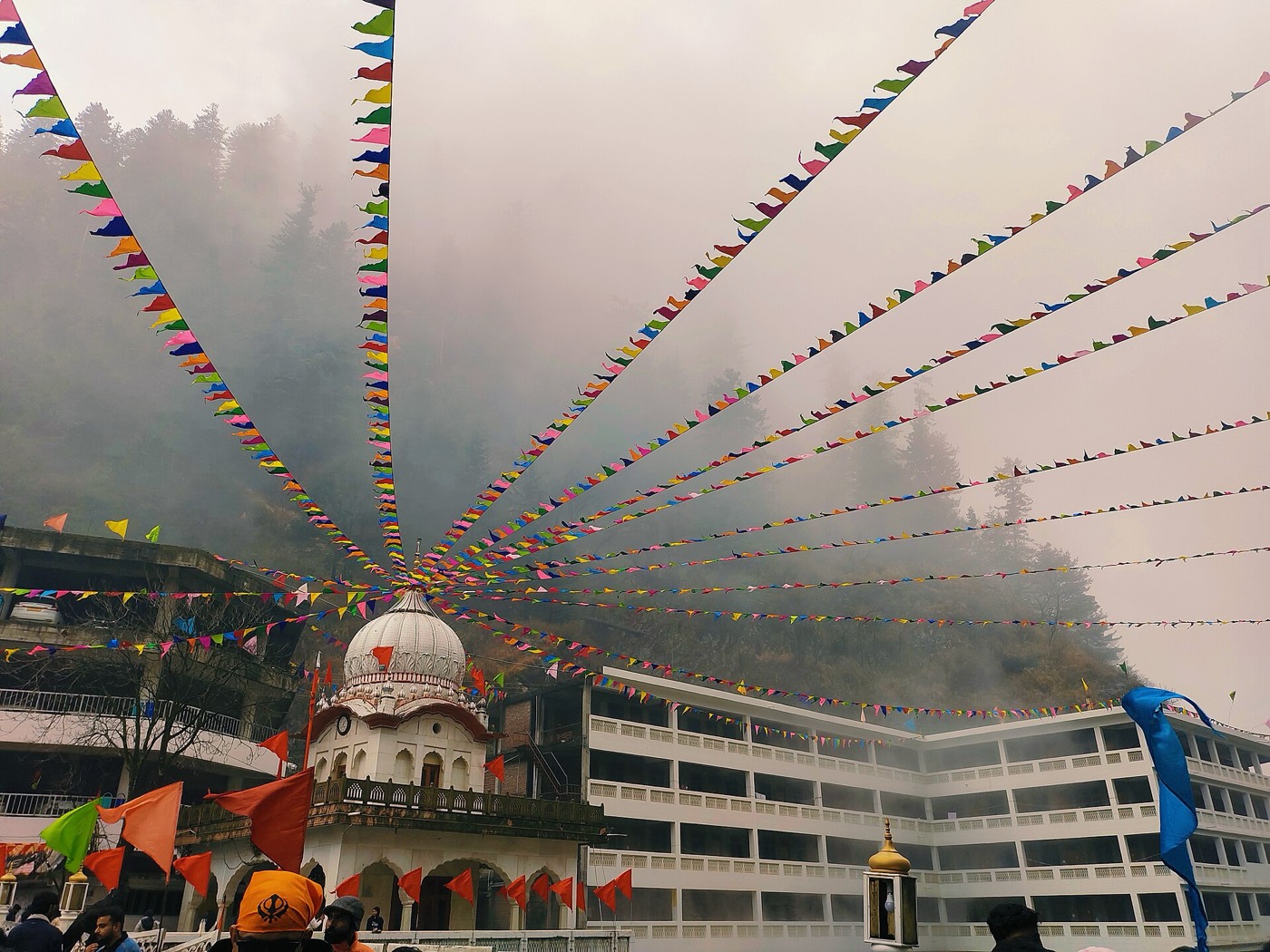
Sacred hot springs visited by Guru Nanak Dev Ji, where langar is still cooked today using the natural geothermal heat of the water.

Birthplace of Guru Gobind Singh Ji in 1666, one of the five Takhts and a centre of Sikh heritage in eastern India.

Built where Guru Gobind Singh Ji passed from this world in 1708, entrusting the Guru Granth Sahib Ji as eternal Guru.

Where Guru Gobind Singh Ji, with Bhai Mani Singh, dictated the complete and final recension of the Guru Granth Sahib Ji in 1705.

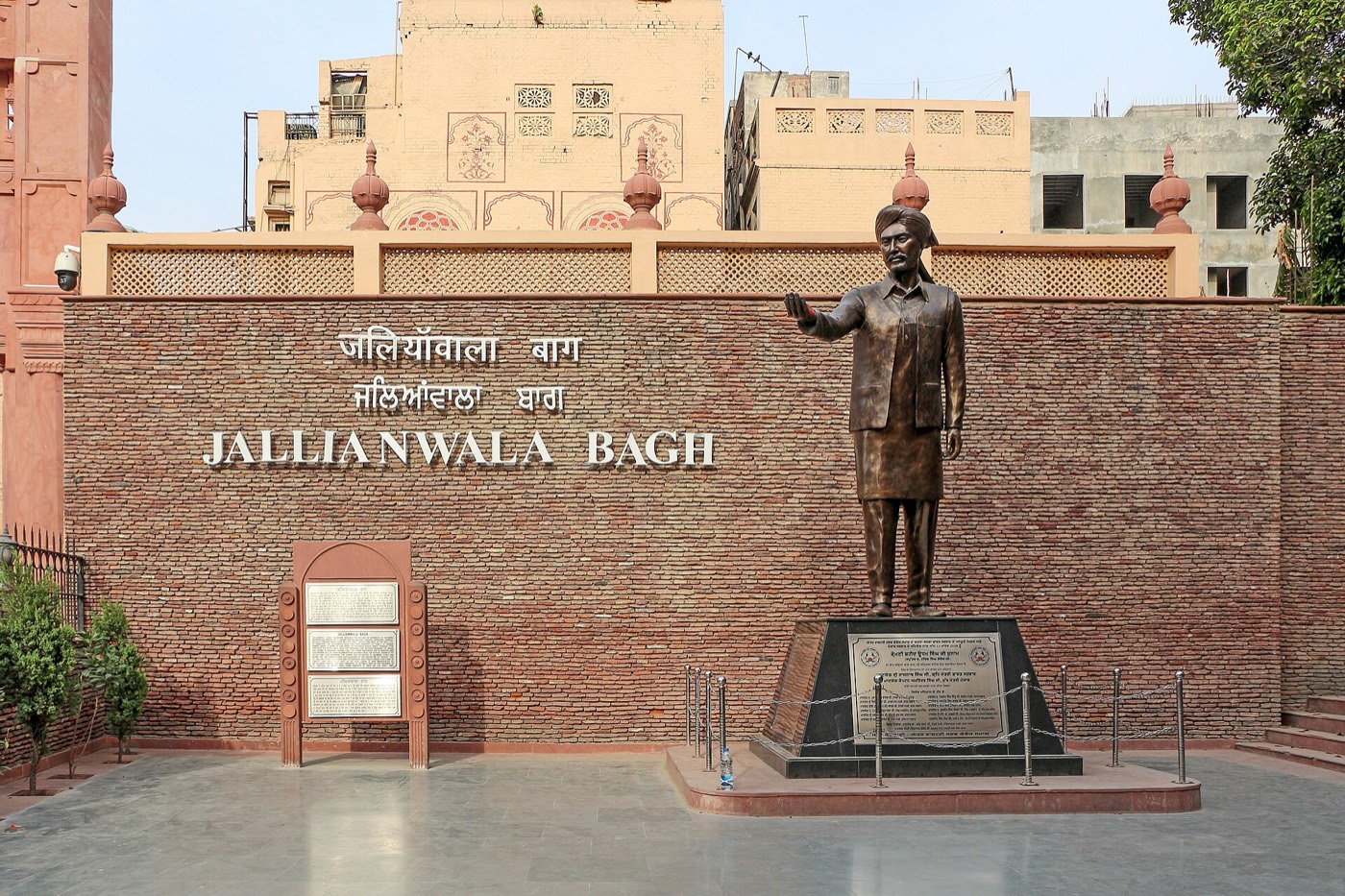
A walled garden where British troops killed hundreds of unarmed civilians in 1919, today a memorial to the massacre and India's freedom struggle.

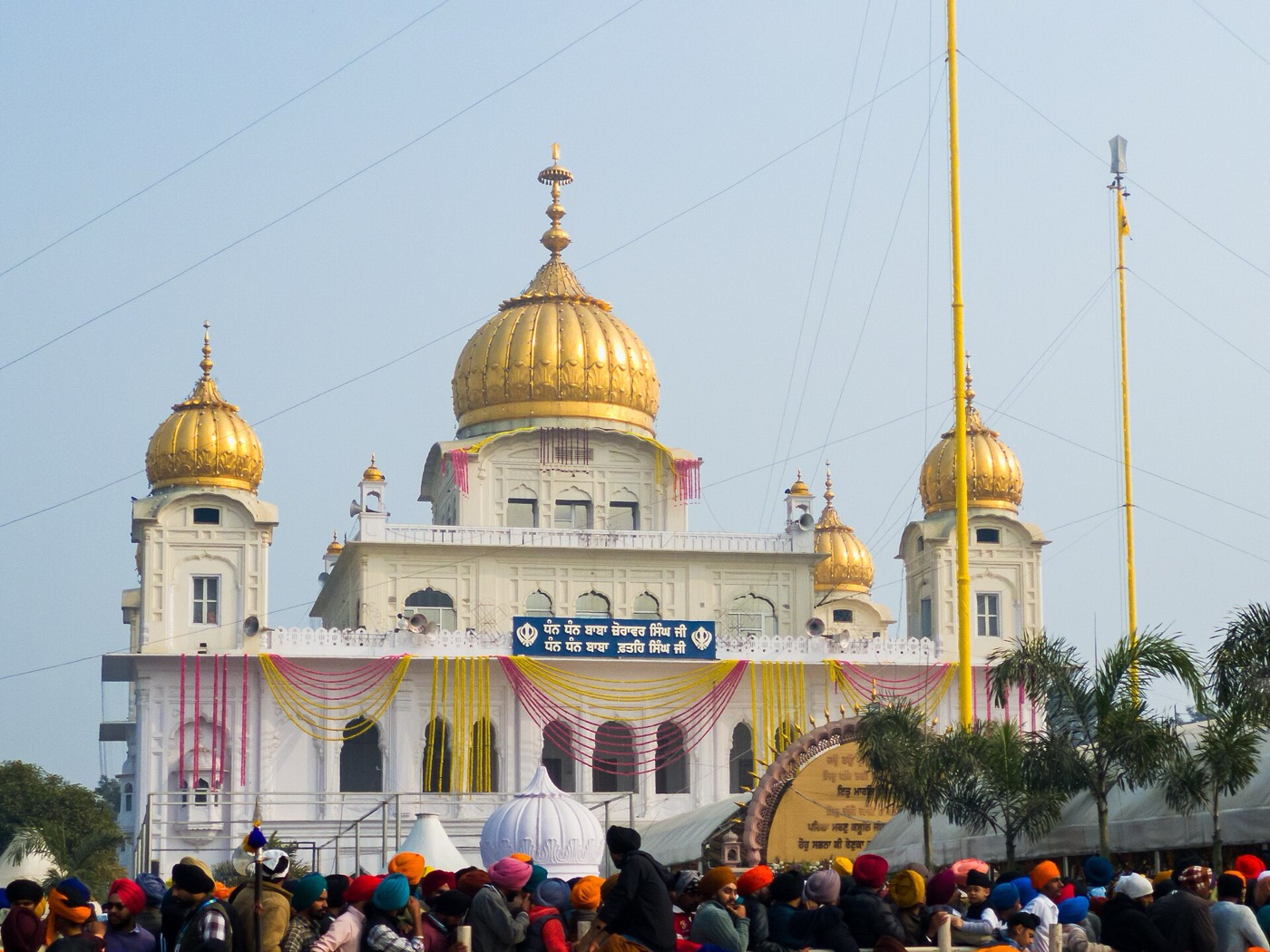
Where the Chhote Sahibzade, Baba Zorawar Singh and Baba Fateh Singh, aged nine and six, were bricked alive and martyred in 1705.

Site of the 1704 battle where Guru Gobind Singh Ji's elder sons, Ajit Singh and Jujhar Singh, were martyred defending a mud fortress.

Marks the ber (jujube) tree where Guru Nanak Dev Ji meditated daily and the bank of the Kali Bein river where he vanished for three days, returning to declare "there is no Hindu, no Muslim."

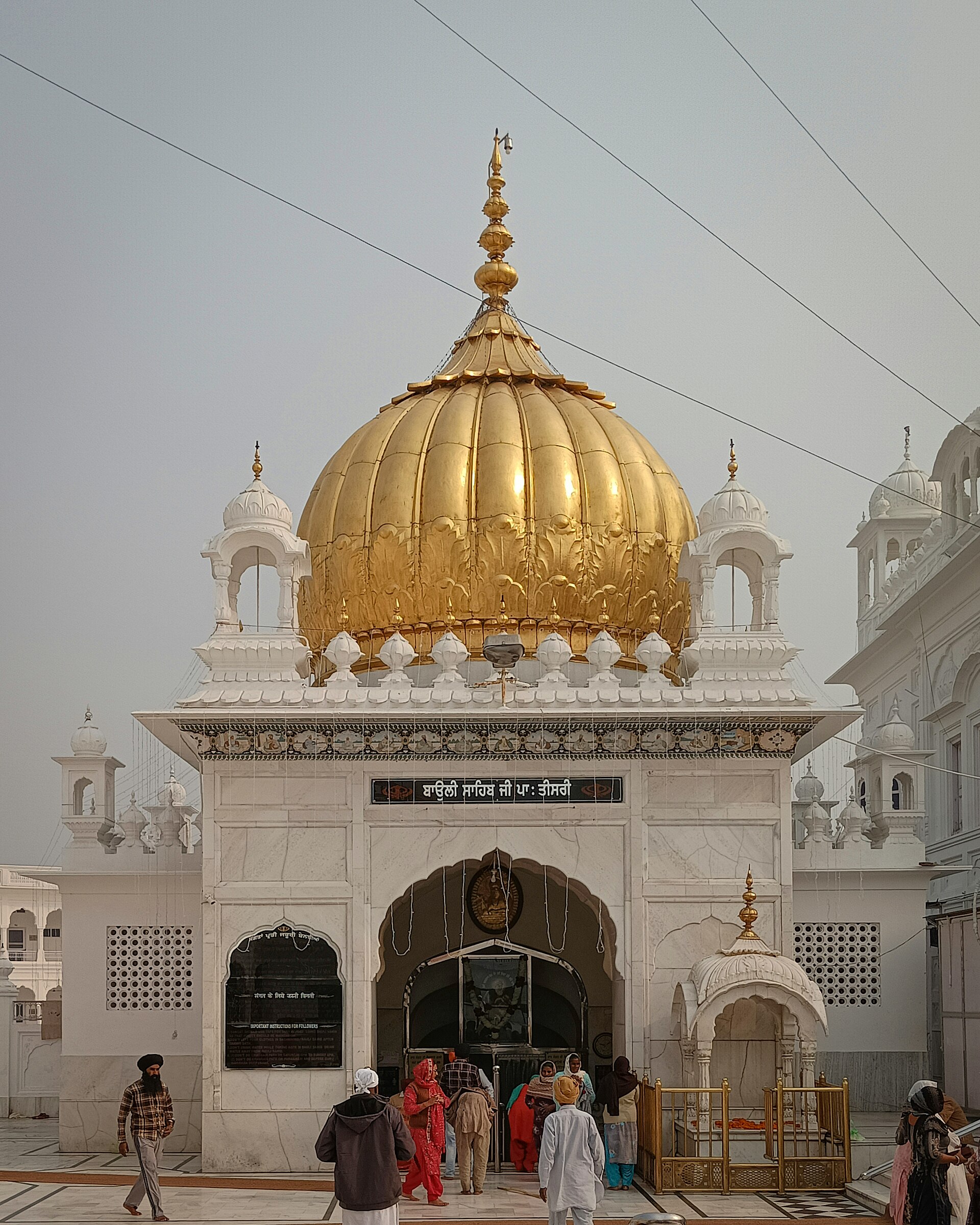
Founded by Guru Amar Das Ji on the banks of the Beas River. Its baoli, a sacred stepwell of 84 steps, is where pilgrims recite Japji Sahib on each step in an act of devotion.

Site of the 1705 Battle of Muktsar, where the Chali Mukte, forty Sikhs who returned to fight, gave their lives defending Guru Gobind Singh Ji, earning the name "pool of liberation."
Pakistan
Seven more thresholds across the border, reachable through the Kartarpur Corridor or a special Jattha visa, and carried in memory by everyone who cannot yet reach them.
Birthplace of the first Guru
Punjab Province, Pakistan
Birthplace of Guru Nanak Dev Ji, 1469.
One of the most sacred sites for Sikhs anywhere in the world.
Reached today via the Kartarpur Corridor or special Jattha visa arrangements coordinated by the SGPC.
A complex of multiple historic Gurdwaras, each marking a key event in Guru Nanak Dev Ji's early life.

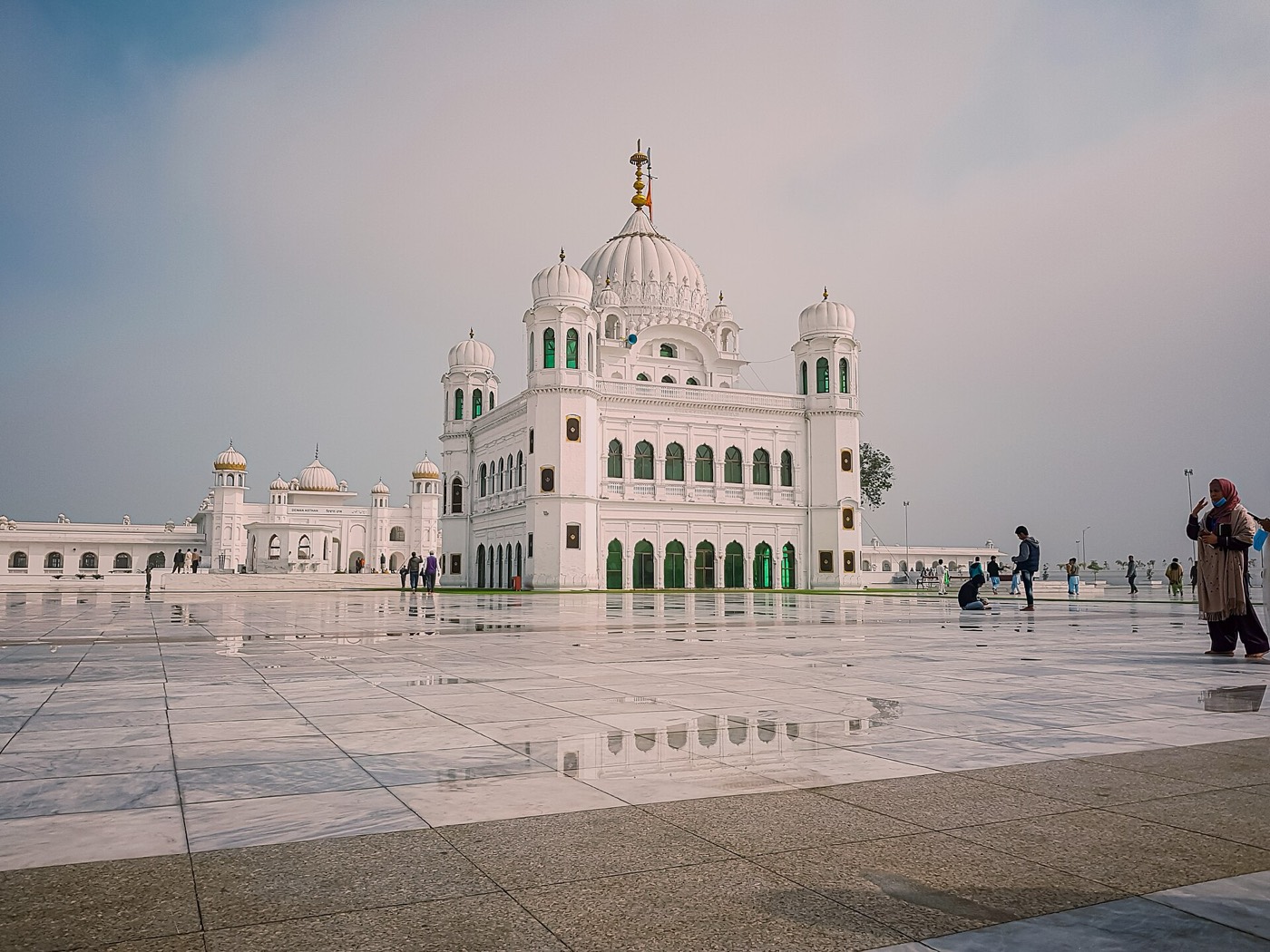
Where Guru Nanak Dev Ji farmed the land, spent his final eighteen years and passed away in 1539. Visible from India and reachable via the Kartarpur Corridor.

A boulder bearing what devotees revere as the handprint of Guru Nanak Dev Ji, said to have stopped it from crushing him.

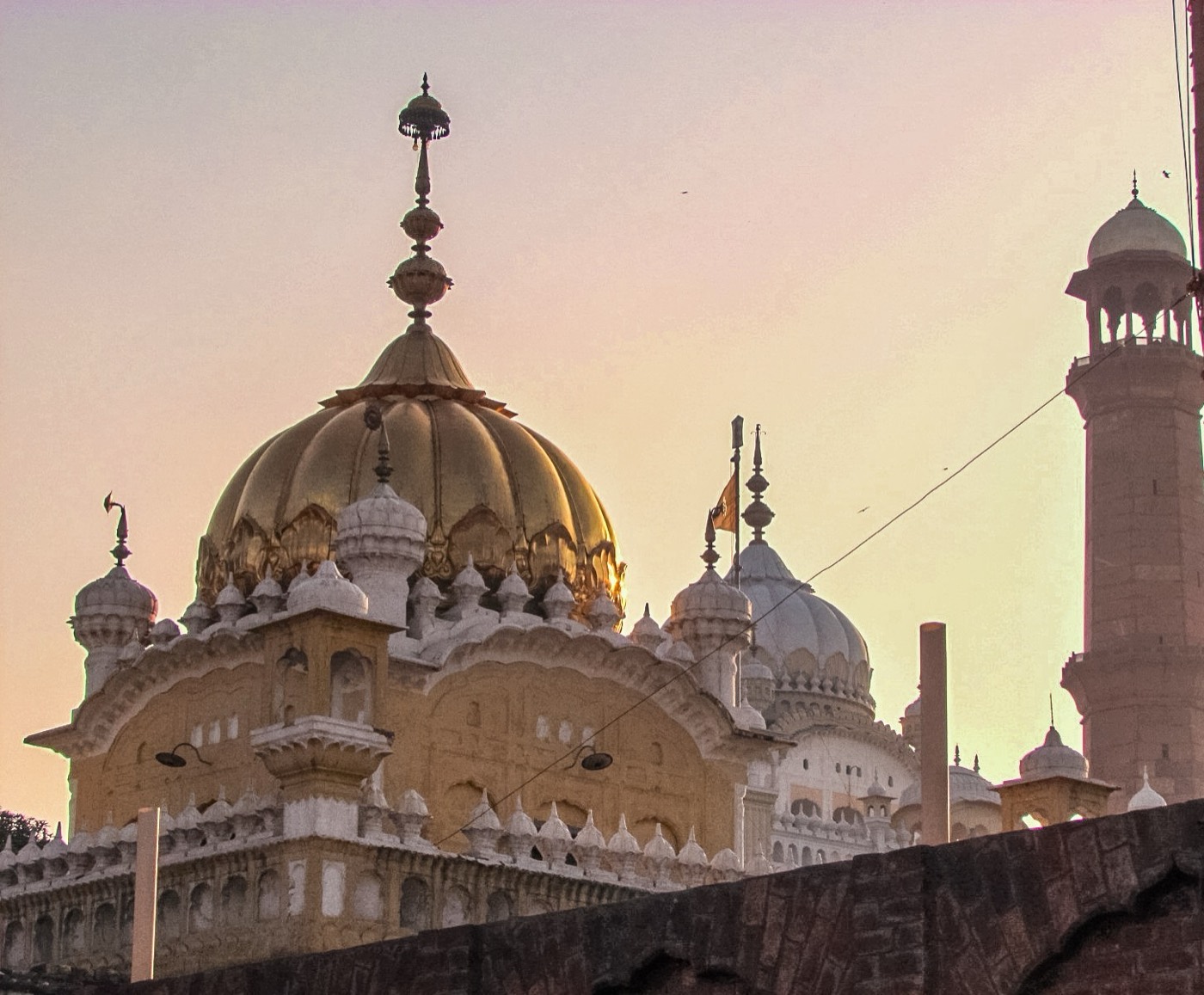
Built beside the Lahore Fort where Guru Arjan Dev Ji was martyred in 1606 under Mughal Emperor Jahangir.

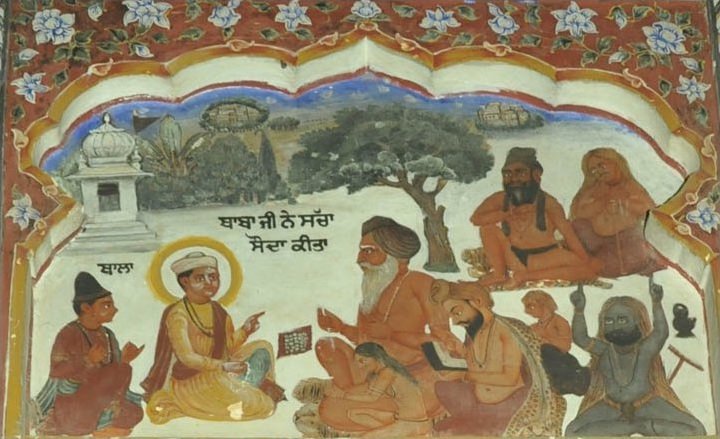
Marks where a young Guru Nanak Dev Ji fed hungry sadhus instead of trading for profit, the origin of "Sacha Sauda," the true bargain.

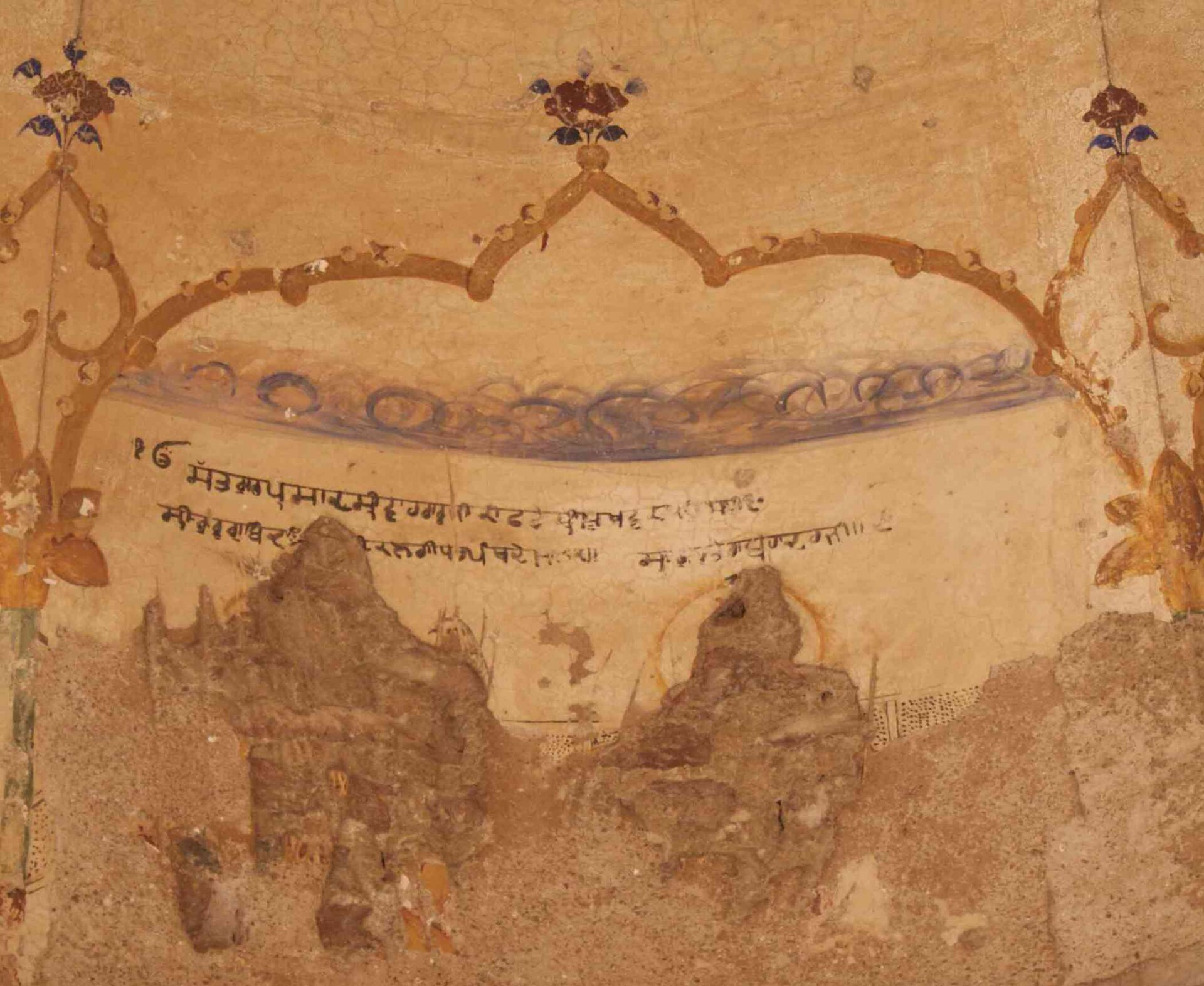
Where Guru Nanak Dev Ji rested on pebbles after witnessing the brutality of Babur's invasion in 1521.

Marks where Guru Nanak Dev Ji pitched his tent, tied to his teachings on humility over worldly wealth.
Commemorates Bhai Joga Singh, who turned back from his own wedding night at the Guru's call to Seva, devotion placed above all else.
Before you go
A few things every visitor should know before stepping into any of these thresholds, on either side of the border.
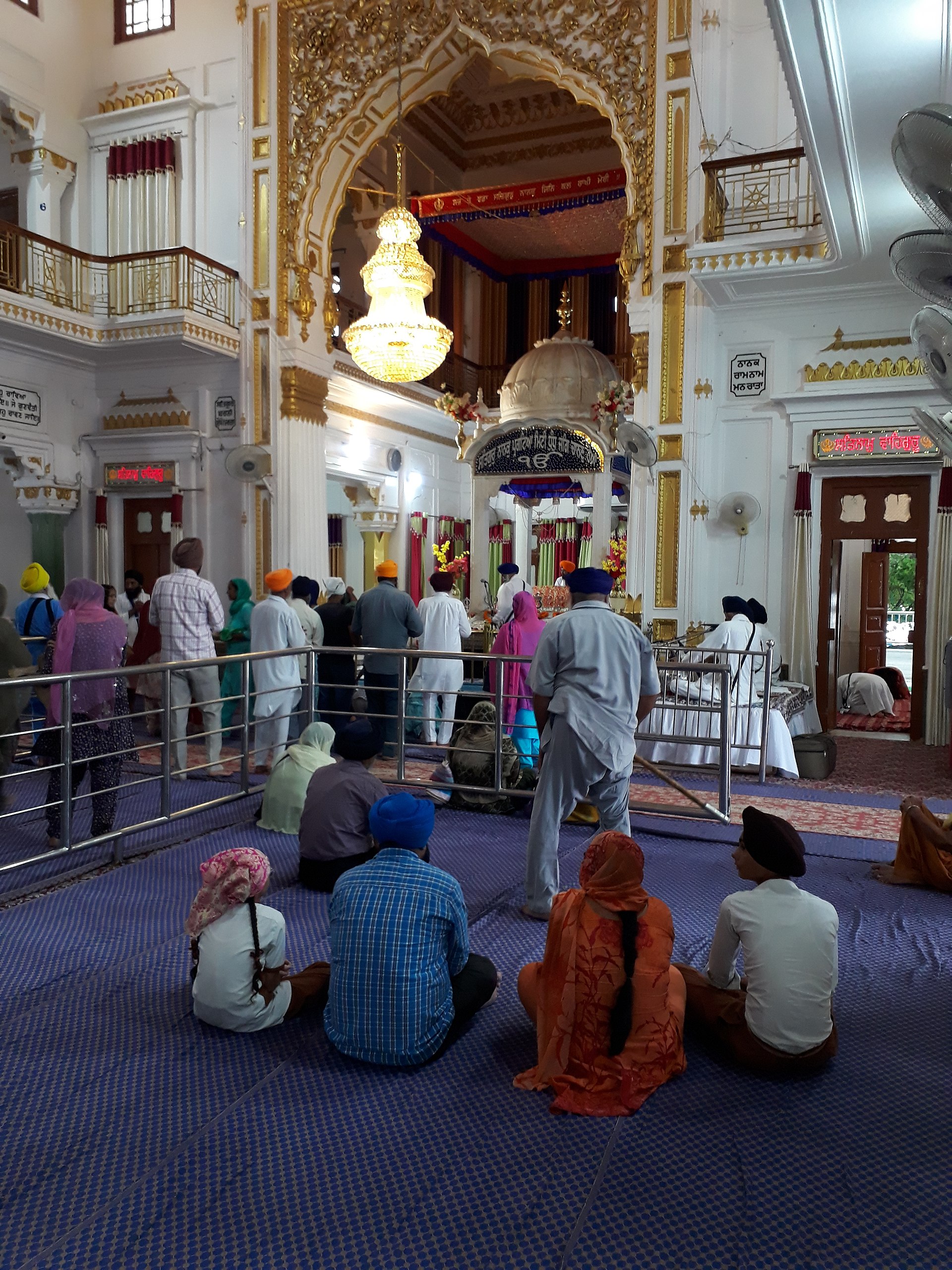
Head must be covered and feet bare inside Darbar Sahib and all gurdwaras, scarves are available at the entrance for anyone who needs one.
Open 24 hours a day, entirely free, and served to absolutely everyone, no questions asked, no exceptions made.
The SGPC coordinates Jattha group visits to Nankana Sahib and other Pakistan sites, which require a special pilgrimage visa.
A dedicated India–Pakistan border crossing built specifically for pilgrimage to Kartarpur Sahib, no full visa required.
One Panth, one home
Whether you can reach them tomorrow or only in memory, these are the places that hold us together. Read how they fit into five thousand years of history, or find the next Gurpurab on our calendar.